


LEARN ABOUT
EPILEPSY FOUNDATION TEXAS
Seizure Alert Dogs
Companions, Protectors, and Service Providers
Seizure-alert and seizure-response dogs can play a powerful role in the lives of some people living with epilepsy. These highly trained service animals may help increase safety, independence, and peace of mind—but they are not appropriate or available for everyone.
The term “seizure dog” is often used broadly and can describe different types of trained behaviors. Understanding what these dogs can and cannot do is an important first step.
What Are Seizure Dogs?
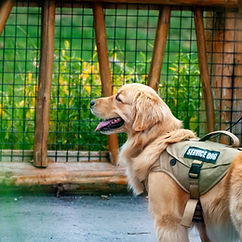
Seizure dogs are service dogs trained to assist a person before, during, or after a seizure. Their role depends on the dog’s training and the individual needs of the person with epilepsy. Not all seizure dogs perform the same tasks, and not all dogs are capable of learning seizure-related behaviors.
What Seizure Dogs may be Trained to Do
Respond During or After a Seizure
Many seizure dogs are trained to respond once a seizure begins. Tasks may include:
-
Staying close to the person to provide comfort and prevent injury
-
Positioning their body to help protect the person during a seizure
-
Activating an alarm or emergency response system
-
Fetching help or alerting caregivers
Alert Others for Help
Some dogs are trained to:
-
Bark, nudge, or seek out another person when a seizure occurs
-
Help ensure assistance arrives quickly, especially if the person is alone
About Seizure Alert Dogs
Some people report that certain dogs appear to sense changes before a seizure occurs and provide a warning. These dogs are often referred to as seizure-alert dogs.
Important to know:
-
Seizure-alert behavior is not fully understood or scientifically predictable
-
Not all dogs can be trained to alert before a seizure
-
There is currently no guaranteed or standardized method for training seizure alerts
Because of this, organizations typically focus on seizure-response training, which has proven, consistent benefits.
Is a Seizure Dog Right for You?
A seizure dog can be life-changing for some individuals, but they also require:
-
Significant time, training, and commitment
-
Ongoing care and financial responsibility
-
A lifestyle that supports the dog’s well-being and training
Seizure dogs are not a replacement for medical care, but for the right person, they can be an important part of a comprehensive epilepsy management plan.
Under the Americans with Disabilities Act (ADA), trained service dogs are legally permitted to accompany their handler in public places, including schools, workplaces, restaurants, and public transportation. Service dogs are not pets—they are working animals trained to perform specific tasks related to a disability.
Seizure Dog Organizations & Resources


Search the Epilepsy & Seizures Helpline Resource Database for organizations that provide seizure dog information and services.